Crystals in Art: Ancient to Today
Crystal Bridges Museum of American Art, Arkansas
October 12, 2019 – January 6, 2020
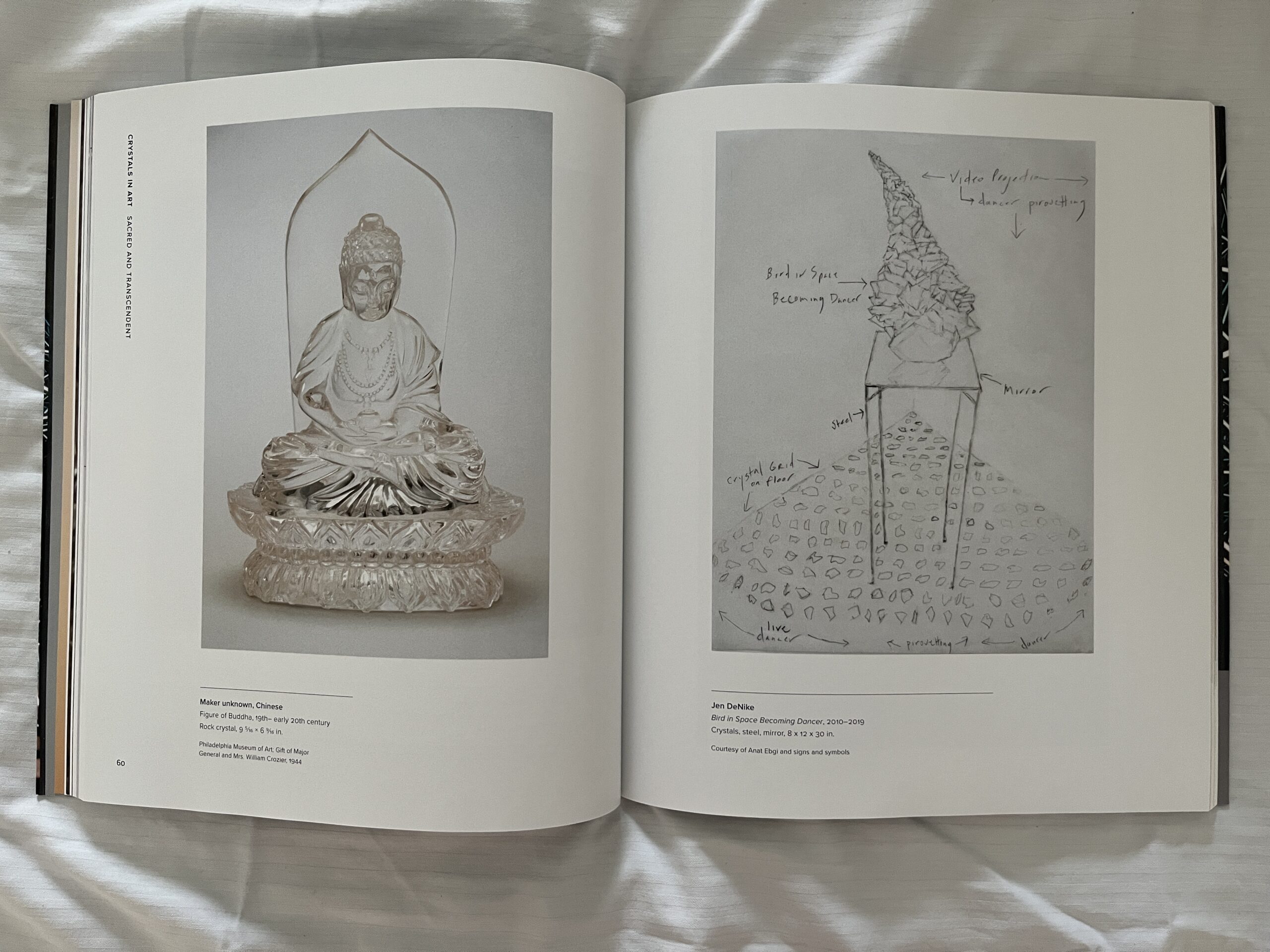
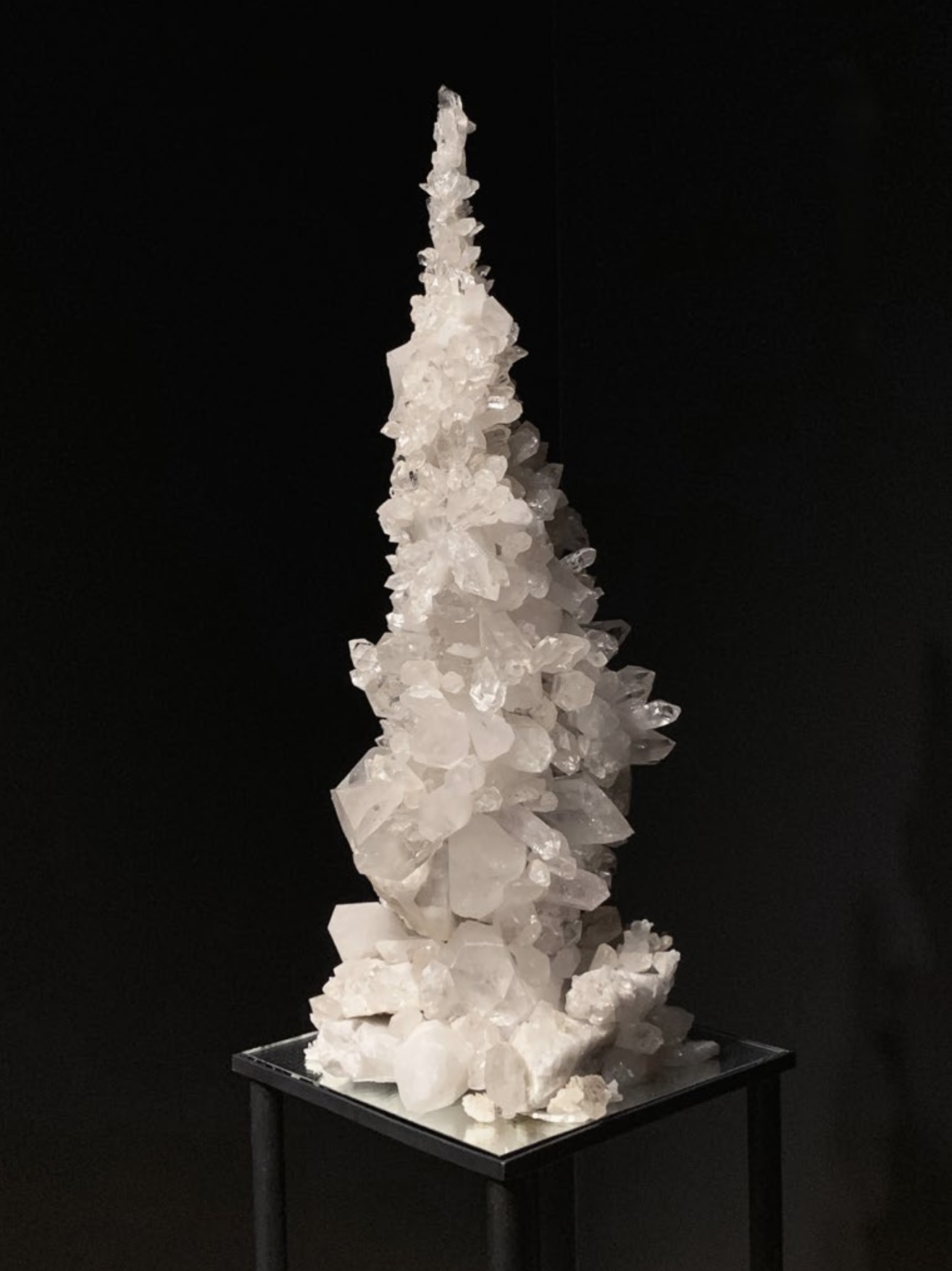
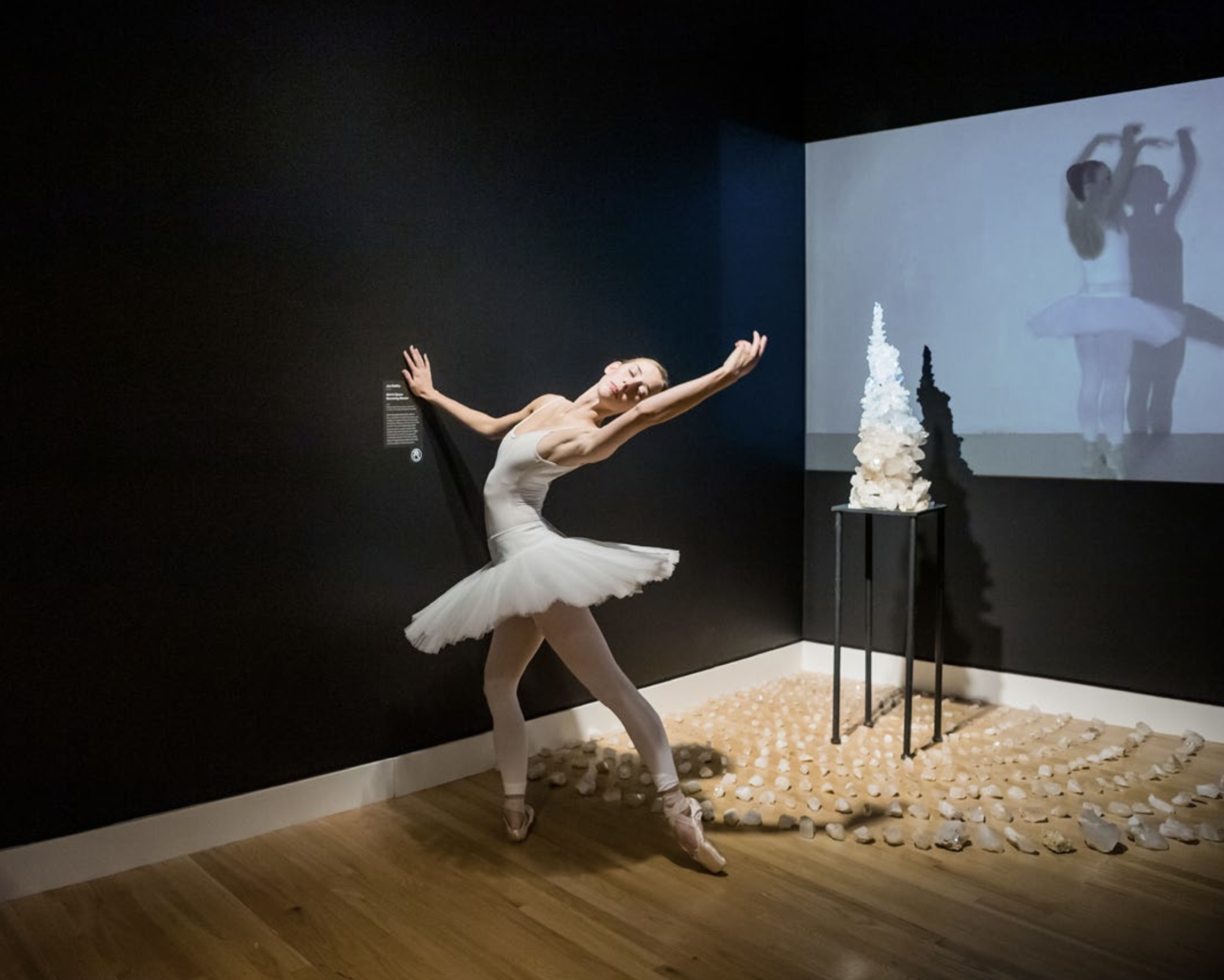
Artists and artisans from all over the world have, for millennia, used luminous ethereal, and prismatic qualities of rock crystal to inspire and facilitate spiritual and religious devotion. Viewing crystal as a substance with the power to help humans connect with the divine and transcend this mortal world, many cultures have long hailed crystal as a precious mineral with unique, mysterious, and even sacred qualities— one that conjures up the known and the unknown, the natural and the supernatural, the visible and the intangible.
The Notion that crystal possesses religious qualities can be seen in objects from a variety of civilizations and cultures. Many religions throughout the world have incorporated crystal into their practices and rites in ancient belief systems, as well as in Buddhism, Hinduism, Judaism, Christianity, and Islam. Artisans working in Ancient Egypt, Ancient Greece, and the Roman Empire, carved small statuettes, sacred from rock crystal. The Roman naturalist Pliny believed crystal came from snow. Some people thought crystal protected against kidney ailments and other diseases, and for the reason they carried small crystal amulets.
Crystal was also incorporated into key parts of certain sculptures to heighten their visual impact and suggest connections with the spiritual realm. Ancient Egyptian artisans used inlaid crystals to depict the eyes in effigies of sacred animals, and in sculpted portraits of their pharaohs, who were regarded as gods. Artisans crafting Buddhist sculptures in China and Japan also employed this technique. The glitter of these crystal eyes suggest movement, imbuing their hosts with a lifelike appearance and heightened metaphor for the enlightened states of awareness nirvana an sunyata, both of which are described in Buddhist texts as “unobstructed” in the same way that light flows unobstructed though crystal.
Rock crystal was tightly valued during the Fatimid dynasty (969-1171 AD). Medieval Islamic scholars even suggested that crystal-viewed as a precious material that stemmed directly from God—was composed of air and light and could be connected to life in paradise. By the late ninth century, Christians regarded its translucence as a physical marker of purity, innocence, and faith. In the medieval and baroque periods, Christians incorporated crystal into ornate iconography representing religious ideas and events. Precious relics of martyrs and saints—such s bits of bone or tooth—were often encased in crystal and secured in containers elaborately embellished with rare metals such as silver and gold.
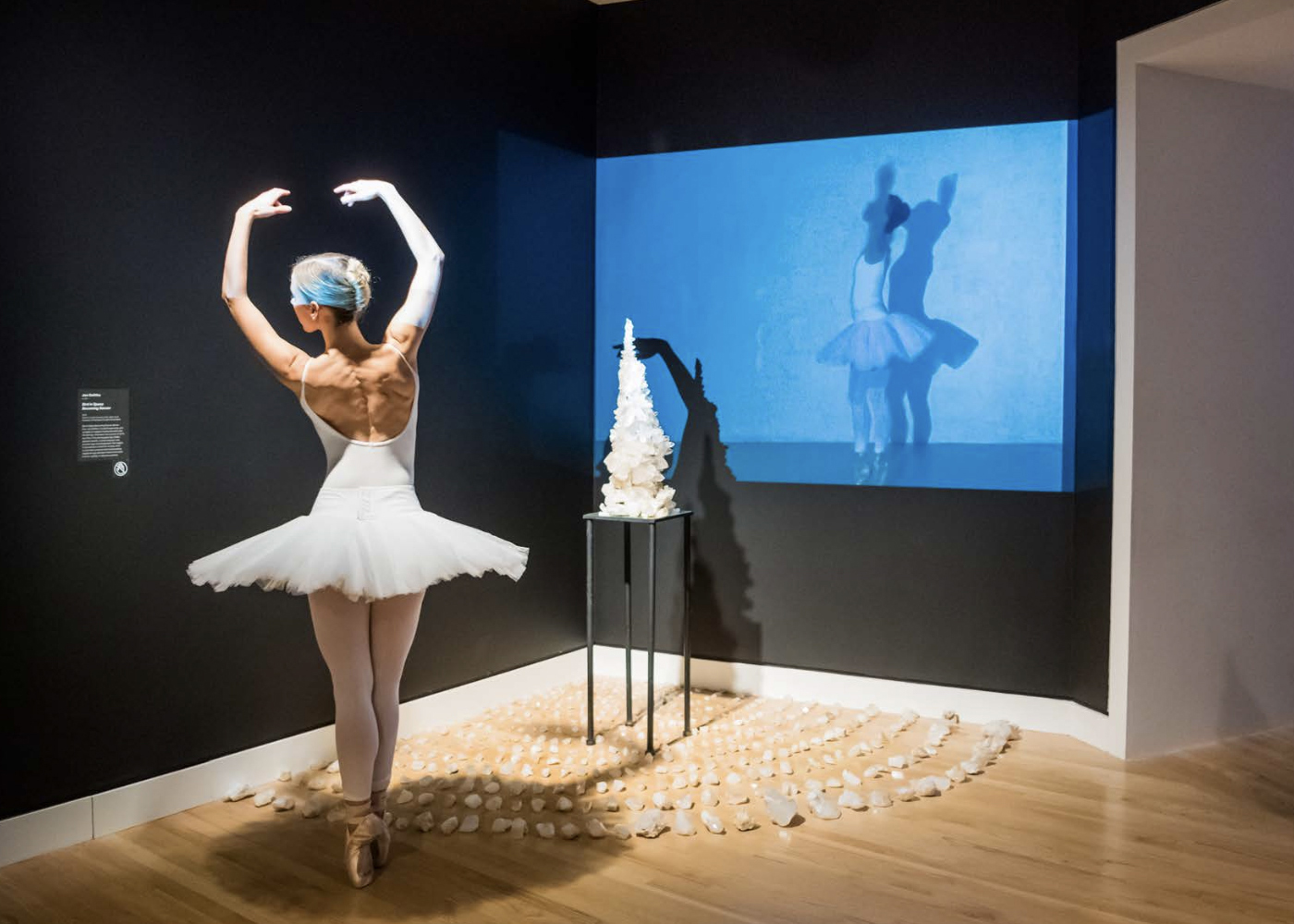
Contemporary artists continue to mine crystal for its spiritual associations. In a recored performance entitled Dozing Consciousness, Marina Abramović is buried in—and reanimated by quartz crystals.